




Louisville drivers deal with a broad mix of conditions. Summer sun can make an uncovered cabin uncomfortable, spring pollen and tree debris can collect quickly, and winter grime can cling to paint, wheels, and lower body panels. A smart vehicle plan considers where the vehicle spends its time, whether that is downtown parking, daily interstate travel, neighborhood errands, or longer trips across Kentucky. For many owners, a practical starting point is protecting the finish before wear becomes obvious. Options such as ceramic coating for cars in Louisville, KY can fit a broader care strategy by helping simplify routine washing and maintain a polished appearance. The right choice depends on driving habits, parking conditions, budget, and how long the owner expects to keep the vehicle.
Start With Your Louisville Driving Needs
Before selecting products, define the problems you want the vehicle to solve. A commuter who uses I-64, I-65, or I-71 regularly may be more concerned about rock chips, bugs, and heavy mileage. Someone who parks outside near home or work may prioritize cabin heat, fading interior materials, and frequent washing. A family vehicle may need durable floor protection, organized cargo space, and easier cleanup after practices, school runs, or weekend travel. A useful plan begins with questions: How often is the vehicle in direct sun? Does it sit beneath trees? Is it exposed to highway debris? Are pets, children, tools, or sports gear regularly carried inside? Answering those questions prevents an expensive list of upgrades that do not address daily use. When searching for “automotive ceramic coating near me,” focus on the intended outcome rather than the product name alone. A coating may be a good fit for an owner who values easier wash maintenance and gloss, while physical film may make more sense for high-impact paint areas.
Separate Protection From Style
Some upgrades improve a vehicle’s appearance, while others reduce the effects of normal wear and tear. The best plans recognize the difference. Protection should usually come first because it supports the vehicle’s condition long after a new set of wheels or interior accent pieces has lost its novelty.
Protection-Focused Choices
- Window film for glare reduction, UV management, and cabin comfort.
- Paint protection film for vulnerable painted surfaces.
- Ceramic coatings for gloss, water behavior, and easier cleaning.
- Quality floor mats, seat protection, and interior cleaning routines.
- Regular washing to remove road film, pollen, bird droppings, and salt residue.
Style-Focused Choices
- Wheel changes, graphics, trim accents, and audio upgrades.
- Cosmetic lighting updates that remain safe and lawful.
- Interior personalization that does not interfere with controls or airbags.
Choose Window Film Carefully
Window film can be useful for Louisville’s warm, bright months, but darkness alone does not determine performance. Dyed film is often a basic appearance-oriented option. Carbon film can provide a balanced combination of privacy and heat control. Ceramic film is commonly chosen by drivers who want strong heat and UV resistance without the metallic construction that may interfere with certain electronic signals. Compliance matters as much as comfort. Kentucky law sets different light-transmission requirements for the windshield, front side windows, and windows behind the driver, so drivers should review Kentucky window tint requirements before selecting a shade. Ask an installer about visible light transmission, reflectivity, warranty coverage, and proper curing instructions.
Compare Paint Protection Options
Paint Protection Film
Paint protection film creates a physical barrier on painted panels. It is particularly useful on front bumpers, hood edges, mirrors, rocker panels, and door cup areas, where debris and repeated contact can leave marks. Louisville drivers who log substantial interstate miles may find partial coverage more practical than wrapping every painted panel.
Ceramic Coatings, Wax, and Sealants
Ceramic coatings can enhance gloss and make dirt easier to remove when the vehicle is washed correctly. They are not scratch-proof and do not replace safe wash methods. Wax and paint sealants are generally lower-cost options for owners willing to reapply protection more often. Use film for impact resistance, coatings for easier maintenance, and wax or sealant for a flexible routine.
Build a Simple Detailing Routine
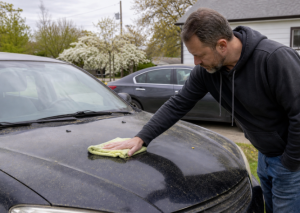
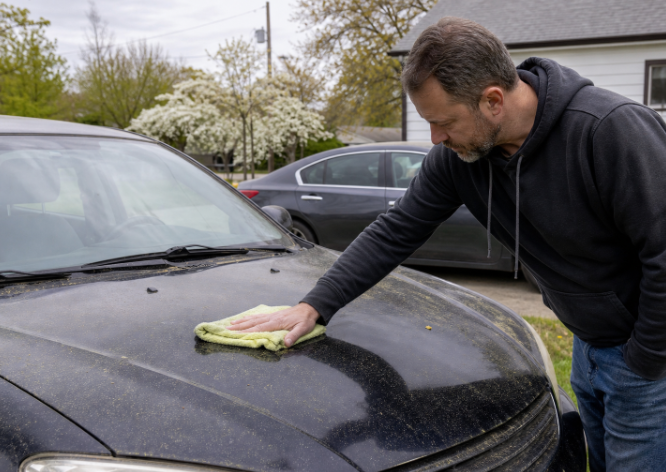
Even premium protection products need consistent care. Remove bird droppings, tree sap, and bug residue promptly. Wash with clean mitts and mild automotive soap, using separate tools for wheels when possible. Once a month, inspect the paint for chips, check the edges of the window film, vacuum up any accumulated debris, and look for moisture trapped beneath floor mats. Seasonal attention is especially valuable in Louisville. After winter driving, thoroughly clean lower body panels and wheel wells. During spring, remove pollen before it combines with rain and road grime. In summer, keep the glass clear and inspect the wiper blades, since clean visibility is more important than any cosmetic upgrade.
Add Comfort and Convenience Features
Comfort upgrades should make the vehicle easier to use, not more distracting. Useful choices can include heat-reducing window film, secure organizers for family or work gear, properly fitted cargo solutions, hands-free phone integration, and emergency supplies. Avoid accessories that block sightlines, interfere with airbag deployment zones, or leave loose items moving around the cabin.
Keep Safety at the Center
Any modification should preserve visibility and ensure that cameras, sensors, radar units, mirrors, and exterior lights function as intended. Before adding electronic accessories or changing lighting, consider compatibility with the vehicle’s factory systems. Drivers comparing a newer vehicle or reviewing safety equipment can use the federal 5-Star Safety Ratings to compare crash and rollover information by vehicle.
Plan the Work in Stages
A staged approach keeps decisions practical. First, handle basics such as tires, clean glass, maintenance, and urgent paint repairs. Next, add comfort measures like window film, interior protection, or storage. Finally, consider style upgrades after the vehicle’s safety, reliability, and preservation needs are covered. The strongest vehicle protection and comfort plan is not the one with the most upgrades. It is the one that matches Louisville driving conditions, supports the owner’s routine, and protects the vehicle where it needs help most.
Conclusion
A practical vehicle protection plan for Louisville starts with the conditions the car faces every day, from summer heat and spring pollen to winter grime and highway debris. By choosing each upgrade for a specific purpose, drivers can avoid unnecessary spending while improving comfort, appearance, and long-term upkeep. Window film can help manage glare and cabin heat, PPF can protect impact-prone paint, and ceramic coatings can make routine cleaning easier. These options work best when combined with regular washing, seasonal inspections, and proper maintenance. Most importantly, visibility, legal requirements, and factory safety systems should remain priorities throughout the process. By introducing upgrades in stages and matching them to driving habits, parking conditions, and budget, Louisville owners can keep their vehicles cleaner, more comfortable, and better prepared for Kentucky’s changing seasons.


