






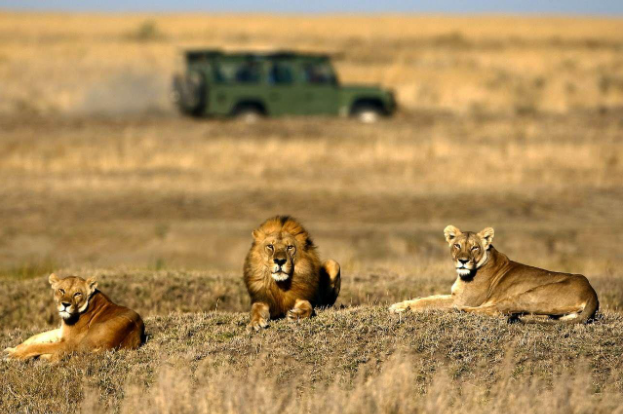
You finally see them. A lion pride resting beneath an acacia tree inside Serengeti National Park. One cub half-hidden in shade. A lioness is blinking slowly. The air feels still for a moment. Cameras rise. Engines hum softly.
And then there’s that tiny pause. That pause marks the beginning of safari etiquette.
A great Serengeti Safari is not only about the sighting itself. It’s about how you arrive at it. How close do you go? Whether you let the moment unfold naturally — or try to improve it. Responsible viewing protects wildlife, yes. But it also protects the feeling of the wild. And that feeling is fragile.
Understanding Wildlife Comfort Zones
Every wild animal has a boundary. You won’t see a fence. You won’t see a sign. But it’s there.
On a Tanzania big cats safari, lions can look unbelievably calm. They stretch. They roll over. They barely glance at vehicles. It’s easy to assume they don’t care.
But watch closely.
- A tail flicks again and again.
- A lioness lifts her head too often.
- A yawn looks exaggerated.
- A body shifts direction slightly away from the vehicles.
These are not dramatic warnings. They’re whispers.
Understanding Lion behavior in the wild means noticing those whispers. It means recognizing that what looks like laziness might actually be quiet discomfort. If a pride changes position because vehicles edged closer, something has already been disturbed.
Positioning matters more than most visitors realize. Blocking an animal’s path can interrupt movement patterns. Surrounding wildlife with vehicles can create pressure, even if no one intends harm. Ethical guides leave space. They think ahead. They keep a clear route open so wildlife never feels trapped.
A respectful Serenget Safari experience often looks… uneventful from the outside. A vehicle is parked at a distance. No rush. No creeping forward. Just patience.
And sometimes patience feels harder than taking the photo.
The Right Way to Observe Predators
Silence in the Serengeti isn’t empty. It’s layered. On an early morning safari in Tanzania, you might hear zebra alarm calls before you see anything. You might catch the faint shift of grass as something moves unseen. You might even feel the tension in the air before a hunt begins.
But that only happens when people allow it.
Predators rely on focus and timing. Sudden laughter. Loud commentary. Someone is standing abruptly in the vehicle. These things may seem harmless, but they can subtly yet significantly disrupt behavior.
Responsible predator viewing often means:
- Turning off engines during sightings
- Speaking in low, steady voices
- Remaining seated instead of shifting around
- Allowing hunts to unfold without interference
The most powerful moments on a Tanzania Wildlife Safari often happen when no one is trying to force them. A lioness crouches lower. A cheetah’s ears tilt forward. The entire scene tightens.
You’re not directing it. You’re witnessing it. And that difference changes everything.
Photography Without Disturbance
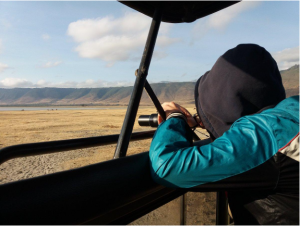

It’s natural to want the perfect image. The light is golden. The lion is perfectly framed. The moment feels rare.
But here’s the uncomfortable truth: not every photo needs to be taken at any cost.
Flash photography at dawn or dusk can disturb wildlife. Drone use, where restricted, disrupts the soundscape and unsettles animals far beyond the immediate area. Even pushing forward for a slightly better angle can crowd a sighting and reduce quality for everyone.
Ethical photography means choosing restraint.
- Using a long lens instead of demanding proximity
- Waiting for natural movement rather than edging closer
- Sharing space calmly with other vehicles
- Accepting that some moments are better remembered than captured
A thoughtful Tanzania Safari Packing List often includes equipment that allows distance. Respecting Tanzania Travel Safety guidelines protects more than just visitors — it protects wildlife patterns.
Sometimes lowering your camera feels surprisingly powerful. Because the memory becomes yours alone.
Cultural and Environmental Responsibility
Safari etiquette does not stop at the animals.
It extends to the people who live near the parks. The guides. The lodge staff. The communities whose daily rhythms continue long after safari vehicles leave.
Supporting businesses that invest in local employment strengthens Tanzania Cultural Tourism. Understanding tipping customs in Tanzania prevents awkwardness and shows genuine appreciation. Small gestures matter.
Environmental awareness matters too:
- Carrying reusable bottles instead of single-use plastic
- Respecting quiet hours in camps
- Conserving water in dry regions
- Leaving no trace behind
And even something as simple as trying Tanzanian Food with curiosity adds depth to the journey. Food connects you to land, climate, and culture in ways that game drives alone cannot.
Responsible travel isn’t about perfection. It’s about attention.
How Responsible Tourism Protects Lions


Conservation doesn’t live only in policies. It lives in behavior.
Entrance fees and tourism revenue support ranger patrols, habitat protection, and initiatives tied to Tanzania lion conservation. But beyond funding, visitor conduct reinforces the health of the ecosystem.
Choosing ethical operators. Following park regulations. Avoiding overcrowding. Planning essentials like Tanzania Travel Insurance so emergencies are handled responsibly. These things create stability.
Responsible tourism strengthens local livelihoods too. When wildlife remains undisturbed and healthy, communities benefit in the long term.
The Serengeti is not a stage. It is a living system. And how you move through it matters more than you might think.
Conclusion: Why Responsible Viewing Deepens the Experience
Some travelers worry that rules reduce excitement. They don’t.
Keeping distance allows animals to remain calm and natural. Silence reveals sounds you didn’t know you were missing. Patience leads to sightings that feel real, not rushed.
When ethical practices guide a Serengeti Safari, wildlife stays wild. Ecosystems stay balanced. And the experience becomes richer, not smaller.
Respect does not limit the journey.
It makes it honest.


