







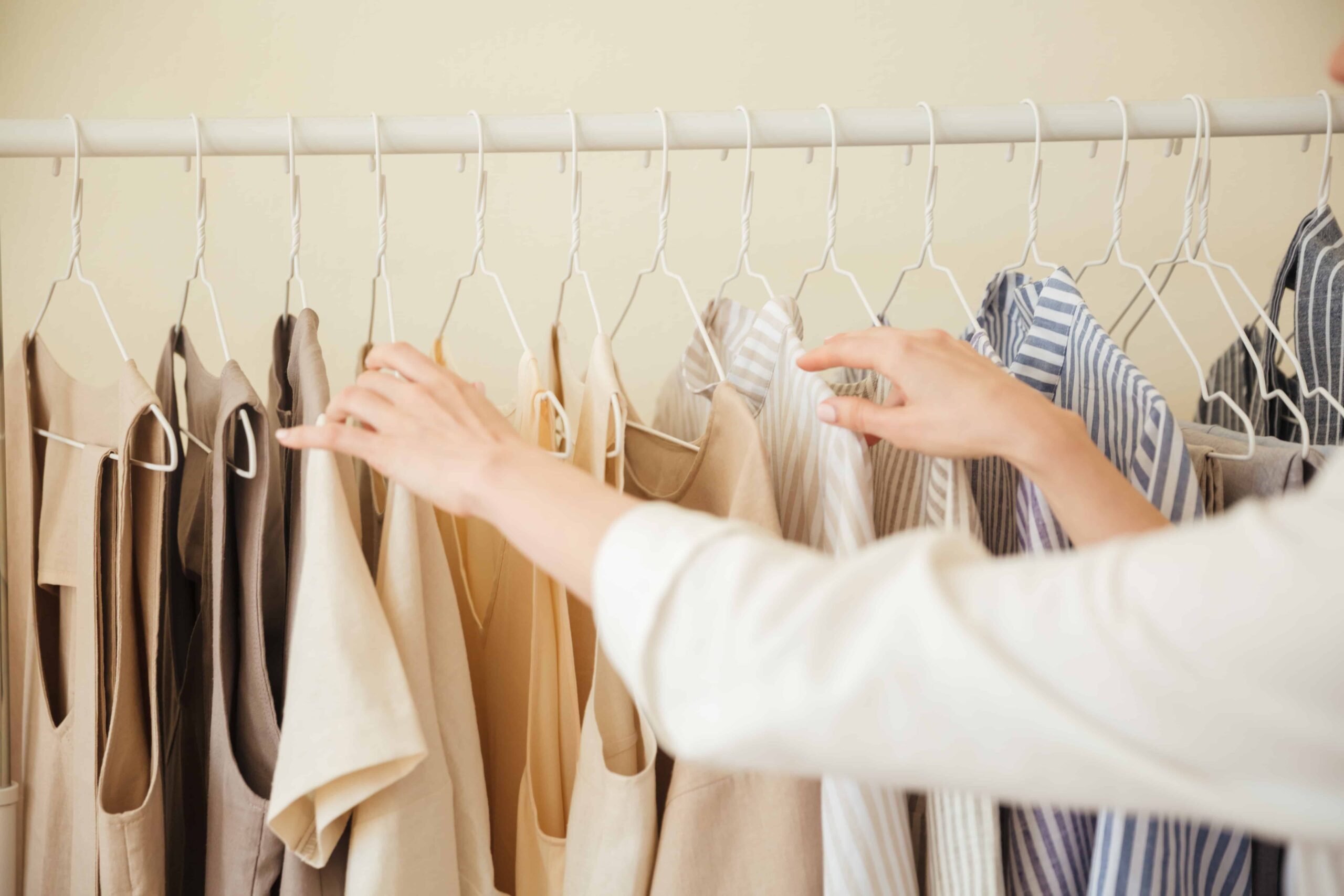
The most sustainable fabrics produce fewer pollutants and require less energy to manufacture. They also use fewer resources and are biodegradable.
Eco-friendly fabrics include organic cotton, lyocell, Tencel, hemp, and linen. These are grown without pesticides and rely on renewable resources. They reduce water consumption, safeguard the health of farmers and workers, and protect biodiversity.
Biodegradable materials
Choosing sustainable fabric is one of the most significant ways to reduce environmental impact. It’s best to opt for organic and chemical-free fabrics when possible, but looking for those made from recycled materials is also a great idea. The textile industry significantly contributes to pollution, so it’s essential to look for ways to minimize that impact.
There are a variety of natural fibers that are considered sustainable, including cotton and hemp. Hemp is a durable fabric that is naturally resistant to bacteria, mold, and mildew. It’s also more sustainable than cotton, requiring less water and space to grow. It’s also good for the soil, aerating it and drawing fewer nutrients from the ground.
Another sustainable fiber is abaca, made from the stalks of banana plants. It’s also an incredibly soft and comfortable fabric that doesn’t release harmful chemicals into the environment. Unlike synthetic materials, abaca is allergy-friendly and can be dyed in various colors.
Alternatively, many brands produce eco-friendly fabrics from recycled plastic bottles. This fabric is called rPET (recycled PET), a staple for sustainable activewear. However, it’s worth noting that rPET releases microplastics during recycling.
Recycled or upcycled materials
Using recycled or upcycled materials is one of the most effective ways to promote sustainability. Reusing existing materials reduces the resources used in production and saves on manufacturing costs. This technique is also a great way to promote brand awareness and show that a company is environmentally responsible. In addition, consumers often choose to work with brands that have a greener mission and values.
Upcycling can be daunting, but it’s an excellent way to reduce landfill waste and give new life to old materials. It can also be a fun and creative activity that allows you to create a unique piece that no one else has. For example, you could turn old CDs into a wind chime or use your grandmother’s handkerchiefs as a quilt.
However, upcycling has some limits – for example, paper and plastic may lose their quality as they are broken down and reformulated into a new material. Also, upcycling is not ideal for items that are no longer safe to use, such as foam that contains hazardous chemicals.
Consumers are increasingly concerned about their environmental impact in this eco-conscious era and want to make a difference. The fashion industry has responded by embracing sustainable fabric. These sustainable fabrics are crafted from natural fibers and materials less environmentally harmful and engineered for longevity.
Fair labor practices
Many sustainable fashion brands incorporate fair labor practices into their manufacturing processes. This ensures that garment workers are paid well and treated ethically, which leads to higher-quality products and reduced turnover. It also reduces the risk of exploitation of children and women. This is especially important because many children work in the textile industry. Fair labor practices can help prevent this and give parents peace of mind that their children are safe.
The environmental impact of sustainable fabric is lower than that of conventional textiles, reducing waste and pollution. These fabrics often use natural and recycled materials safer for human health than synthetic fabrics. They are free of harmful chemicals and pesticides that can be absorbed into the skin. They are also made from materials requiring less energy and water.
Organic cotton, hemp, and bamboo fabrics are sustainable options that prioritize eco-friendly cultivation and production methods. They minimize the environmental impact by avoiding harmful pesticides, promoting soil health, and limiting water usage. They are also free of toxic dyes and are often derived from renewable resources.
The sustainability of a fabric can be assessed by looking at the entire life cycle of the product, including design, production, and end-of-life disposal. However, it is essential to remember that not all sustainable fabrics are created equal. While a fabric may be derived from an environmentally friendly material such as hemp, it is not sustainable if the product was woven using slave labor or other unsustainable practices.
Organic fabric
If you want to reduce your negative environmental impact, switching to organic fabric is one of the best moves you can make. Organic materials are grown using sustainable and eco-friendly methods that prioritize the earth’s health, workers, and consumers. These fabrics are made from natural, plant-based fibers and are chemical and pesticide-free. Additionally, organic material is often dyed with non-toxic and vegetable soaps.
Organic fabric is also better for your health. Conventional cotton uses chemical pesticides and herbicides during production, which can cause several health problems. Organic cotton is grown without these harsh chemicals, making it a healthier choice for you and your family.
Choosing sustainable fabrics for your clothing or quilting projects is a great way to support the fashion industry and help it move in a more positive direction. The fashion industry has long been associated with fast-paced trends and a desire to keep up with the latest styles. However, these fast-paced trends have come with a cost. The fashion industry has hurt our planet from harmful chemicals to unethical labor practices.
Fortunately, there are ways to change this. While polyester is an attractive option because it is durable and can withstand a lot of wear and tear, there are better choices for sustainability. Polyester is made from petroleum, which is not a renewable resource and causes damage to the environment when it is used for fabric. Instead, choose organic cotton and other natural options, such as modal or tencel. These fabrics are made from wood cellulose and pulp harvested from trees, using fewer chemicals in production.


