





Using HD cameras, plumbers can inspect sewer pipes without digging. This helps them find the source of a problem and determine the best way to repair it, such as pipe lining or pipe bursting.
Traditional excavation-based sewer repair processes, including those involving commercial lift station, require heavy machinery and generate significant carbon emissions. Trenchless methods reduce these emissions and contribute to a healthier environment.
Reduces Greenhouse Gas Emissions
Trenchless sewer repair allows us to work on your underground pipes without disturbing the surrounding environment. Traditional excavation methods can cause soil disruption and disturb the natural ecosystems that rely on the area for survival. However, our trenchless CIPP pipe lining methods only require small access points to work on your plumbing system, ensuring the surrounding environment remains undisturbed.
Conventional digging can cause damage to trees, disrupt wildlife habitats, and lead to soil erosion. As a result, many conventional construction sites are a source of air pollution, negatively impacting nearby residents’ health and well-being. Trenchless construction minimizes the need for heavy machinery, which emits harmful greenhouse gases into the atmosphere.
Additionally, our CIPP pipe lining process uses no chemicals or toxic materials that can harm the environment. Our epoxy liners are made from recycled materials that do not contribute to the production of heat-trapping greenhouse gases. Therefore, our trenchless sewer repair service is a great way to promote greener living.
Lastly, the directional drilling technique often used in trenchless sewer repair can help preserve natural resources. Traditional excavation techniques require large amounts of material to be removed and disposed of, which can be expensive and wasteful. However, our trenchless CIPP lining method uses only small entry and exit points, which saves a significant amount of material. Moreover, it eliminates the need for raw materials such as cement and asphalt, which reduces environmental impact and encourages sustainable resource management.
Reduces Air Pollution
Traditional excavation-based sewer repair methods can generate substantial air pollution. This is due to the use of heavy machinery and trucks that emit toxic gases into the environment. While the Occupational Safety and Health Administration regulates worker safety, this doesn’t protect the general public from these harmful emissions. Trenchless repairs, like pipe lining, on the other hand, produce significantly less air pollution.
By avoiding extensive digging, trenchless sewer repair protects surrounding wildlife and landscaping. This keeps trees, plants, and other landscaping elements intact, preserving their aesthetic appeal and ecological balance. This streamlined approach also prevents the need for replanting, reducing the overall cost of repair and maintenance.
Underground plumbing systems are an intricate web of water, sewage, and gas lines. Traditional construction can damage these lines, causing them to leak chemicals or raw sewage into the soil. Trenchless repair methods, such as cured-in-place pipe (CIPP) and pipe bursting, allow technicians to complete the work streamlined to minimize the risk of hitting other lines.
The lining material used in trenchless repair is highly durable and can resist the harsh environmental conditions common in most areas. This durability reduces the need for frequent repairs and replacements, further minimizing the environmental impact of these activities. Additionally, these durable materials are made with fewer materials than conventional pipes, which reduces waste and energy consumption.
Minimizes Waste Generation
The excavation required by traditional sewer repair methods generates much waste. This includes dirt, debris, and pavement disposed of in landfills. Trenchless technology minimizes the need for these materials, promoting a more sustainable waste management system. Furthermore, techniques such as CIPP pipe lining and UV patch lining require less raw material than traditional pipe replacement, reducing the overall environmental impact of sewer repairs.
Additionally, the waste generated by trenchless technologies such as CIPP pipe lining and directional drilling is non-toxic and doesn’t pollute soil or groundwater. This helps to maintain the integrity of natural habitats and reduces contaminant runoff into local water bodies, protecting the health of residents.
Another benefit of trenchless sewer repair is that it eliminates the need for extensive digging associated with traditional methods. This allows preserving your property’s trees, plants, and landscaping features. This not only improves the aesthetic appeal of your property, but it also protects wildlife habitats and prevents soil erosion that could disrupt the area’s ecological balance.
Moreover, trenchless methods allow new high-density polyethylene (HDPE) stronger and more damage-resistant pipes. This can help to prevent sewage line failures that may cause dangerous odors, property damage, and health issues like gastrointestinal problems or respiratory disorders.
Maintains Aesthetic Appeal
Trenchless repair is much less invasive than traditional methods involving extensive digging. This is good news for your property and the environment. The ground surface remains relatively undisturbed, preventing costly damage to your driveway, landscaping, sidewalks, and roads. The need for more excavation also reduces waste generation and the need for landfill space.
Plumbing is a complex web of water, sewage, and gas lines. The streamlined process of trenchless sewer repair allows technicians to complete the job without damaging these other lines, which can cause harmful toxins to seep into the environment.
During pipe lining, your technician will feed a flexible liner coated in resin into your damaged sewer pipes. The lining will expand when it reaches the damaged area, filling it and creating a seal. The resin will then harden to form a new, durable pipe inside your existing pipe. This process is also a great solution for repairing a bellied sewer pipe, which often results in blockages due to excess waste accumulation.
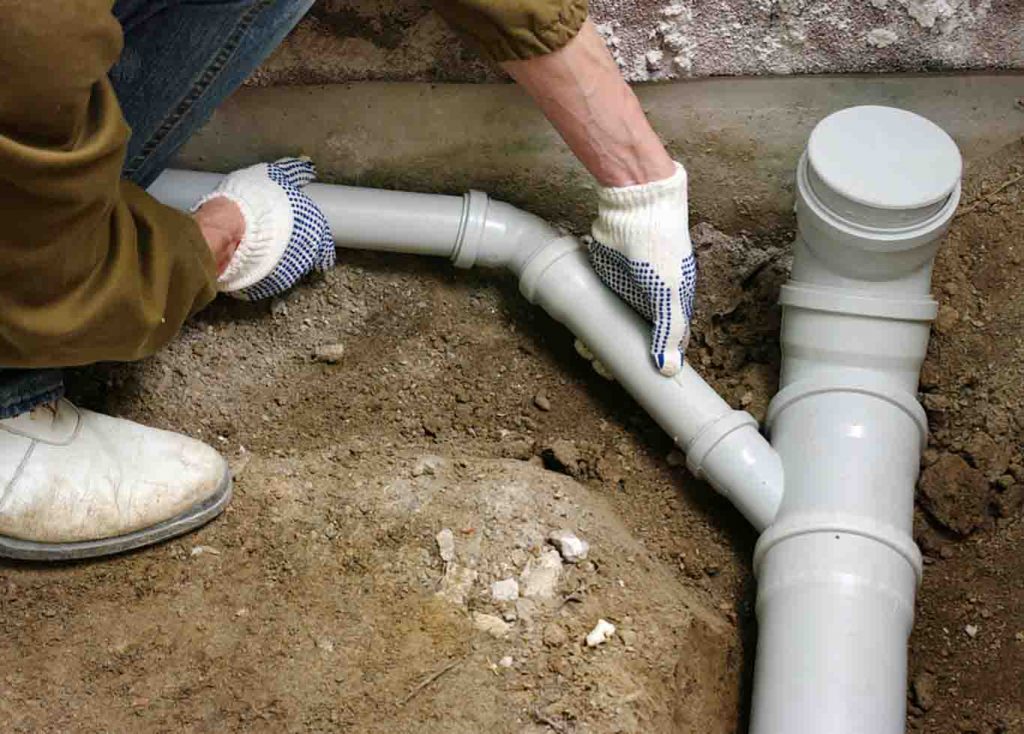
Another effective method for repairing your sewer pipe is pipe bursting. This is similar to CIPP but uses a different type of equipment. With pipe bursting, an extremely hard metal “bursting head” is fed through your old segment of sewer line and pulled alongside a new replacement line. The bursting head breaks apart the old pipe and pulls the new line through, effectively replacing it with a stronger, longer-lasting product.


