

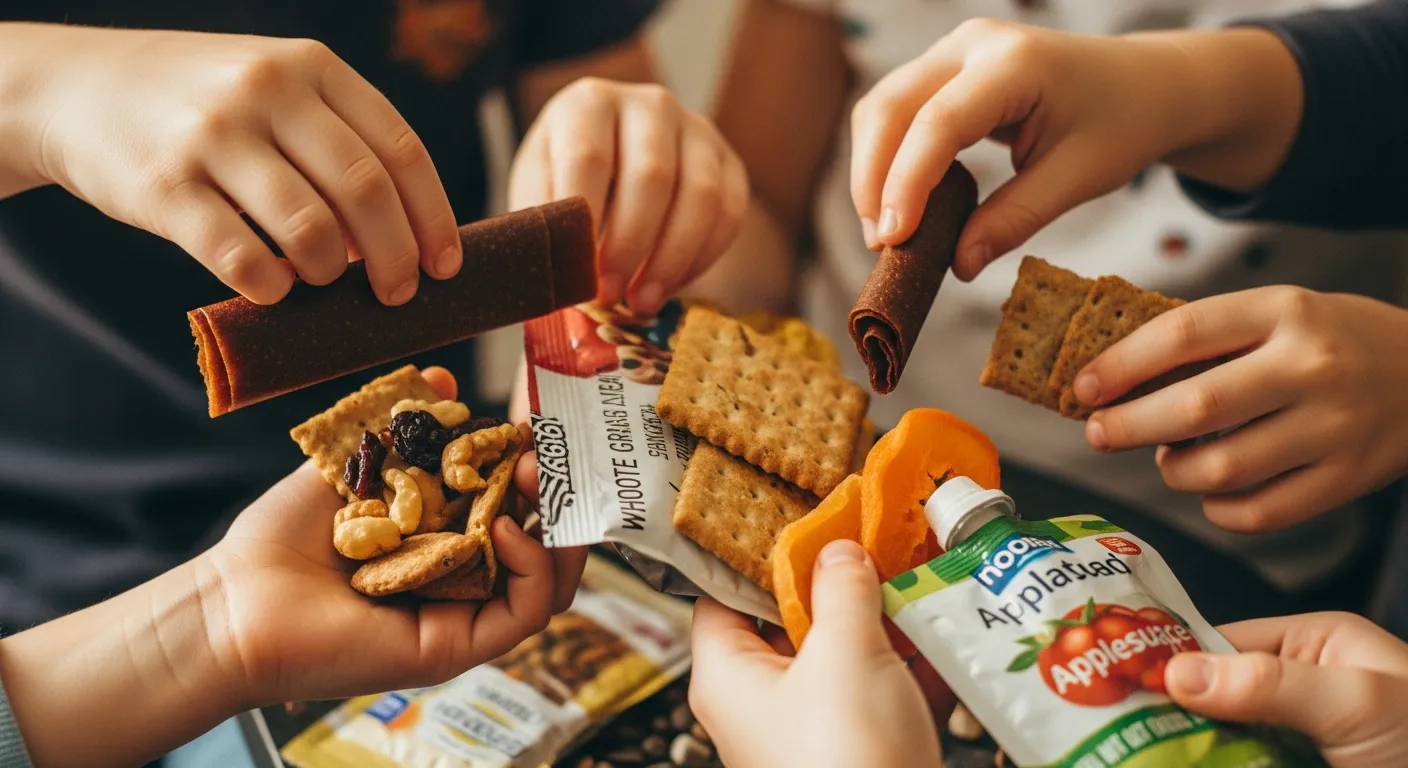
Naturally appealing flavors often guide how young taste habits grow during early years. Gentle sweetness allows learning without overpowering developing preferences. Careful snack choices help toddlers recognize subtle notes while staying satisfied. Balanced options reduce reliance on intense sugary profiles over time. The focus behind naturally sweet snack selections supporting taste development without added sugars highlights steady exposure rather than restriction. During early routines many caregivers introduce toddler snacks that rely on inherent sweetness to support gradual taste awareness.
Early Flavor Learning Through Gentle Sweetness
Mild sweetness introduces toddlers to flavor balance without shock. Soft taste exposure encourages curiosity while avoiding strong cravings. Regular gentle options help young palates adapt slowly. This approach supports long-term preference development.
Choosing Naturally Sweet Daily Options
Naturally sweet selections fit smoothly into everyday schedules. Simple preparation supports consistency without stress.
- Natural sweetness helps toddlers accept snacks without craving intense sugary flavors daily
- Gentle taste profiles support learning subtle differences between ingredients gradually
- Simple options encourage routine snack habits without resistance
- Balanced sweetness supports steady energy during active play periods
- Mild flavors reduce dependency on processed sweet items
- Repeated exposure strengthens acceptance of natural tastes
- Easy preparation saves time while supporting healthy routines
- Soft sweetness improves willingness to explore new options
Texture Supporting Flavor Recognition
Texture plays a role in how sweetness feels during eating. Gentle textures help toddlers focus on taste. Comfortable bites encourage mindful chewing. Texture variety improves overall acceptance.
How Do Natural Sweet Snacks Shape Taste Growth?
Natural sweetness teaches toddlers to appreciate flavor depth. Early exposure builds balanced taste expectations.
Strong added sugars can dull sensitivity to mild flavors. Gentle options allow recognition of subtle differences. Over time, taste buds adjust toward balanced profiles. This learning supports healthier choices later without pressure or restriction.
Timing Snacks for Better Acceptance
Snack timing influences how sweetness is perceived. Offering snacks between meals prevents extreme hunger. Calm timing supports better taste recognition. Predictable schedules reduce overeating.
Building Trust Through Familiar Flavors
Trust forms when snacks feel reliable. Familiar gentle sweetness supports confidence during eating. Many routines include toddler snacks that feel predictable. Trust encourages openness to new tastes.
Comparing Sweetness Sources Effectively
Understanding sweetness sources helps refine snack planning. Natural sweetness behaves differently from added sugars. Comparison guides informed decisions. The sweetness source affects taste learning. Thoughtful choices support healthier development paths.
Encouraging Variety Without Pressure
Variety helps toddlers learn flavor differences naturally. Rotating gentle options prevents boredom. Exposure builds familiarity rather than resistance. Variety supports broader taste acceptance.
Simple Snack Preparation Strategies
Simple preparation reduces stress for caregivers. Easy options support consistency. Minimal steps encourage routine success. Simplicity keeps focus on taste learning.
Do Natural Snacks Reduce Sugar Cravings?
Gentle sweetness helps lower the desire for intense sugar flavors. Balanced exposure supports control.
- Natural options teach toddlers satisfaction without excessive sweetness levels
- Gradual exposure reduces craving intensity over time
- Balanced taste learning improves self-regulation around sweets
- Mild flavors encourage mindful eating habits
- Steady routines prevent dependency on sugary treats
Can Taste Preferences Change Over Time?
Taste preferences remain flexible during early years. Repeated exposure shapes acceptance.
- Early habits influence long-term eating patterns positively
- Gentle sweetness builds tolerance for balanced flavors
- Regular exposure improves openness to new tastes
- Consistent routines reinforce learning outcomes
- Natural choices support gradual preference shifts
Practical Taste Balance
Taste growth benefits from patience rather than restriction. Gentle sweetness supports learning without stress. Routine exposure builds confidence. Balanced planning reduces reliance on intense sugar. Over time, steady habits encourage acceptance of natural flavors. Continued focus on toddler snacks with inherent sweetness supports long-term healthy taste development.
