

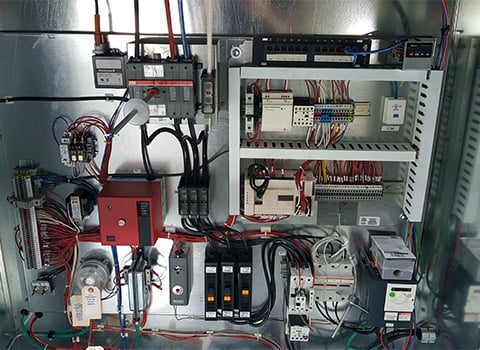
Walk through any shop floor and the powder coating booth will usually stand out as the workhorse of finishing. While operators often focus on spray guns, filters, and airflow, the real powerhouse sits in the control panel. Packed with features that shape performance and safety, these panels often go unnoticed even though they quietly drive consistency and reliability.
Integrated Timers That Regulate Consistent Coating Cycles
Timers are one of those functions operators don’t always think about but rely on daily. With integrated timers, the control panel ensures every coating cycle follows the same pattern, no matter who is at the controls. This consistency matters because powder must adhere evenly across surfaces, and fluctuating application times can lead to thin coverage or wasted powder. A properly timed cycle guarantees that each piece in the industrial paint booth receives the right treatment, reducing errors and improving finish quality.
Another overlooked benefit is productivity. By automating cycle lengths, operators don’t have to second-guess how long a coating run should last. That means fewer interruptions, less fatigue, and fewer mistakes. In large operations, shaving even a few minutes off repetitive steps adds up to significant time savings. In a powder coating booth where dozens of parts run daily, automated timing creates smoother workflow and better throughput without constant oversight.
Safety Interlocks That Protect Operators During Operation
Behind the protective glass and ventilation systems, safety interlocks act like silent guardians. These mechanisms ensure the industrial paint booth cannot operate under unsafe conditions, such as when a door is open or a filter is misaligned. This feature not only prevents accidents but also shields workers from exposure to powder and moving machinery inside the booth.
The control panel coordinates these interlocks, creating a safeguard that workers rarely notice until something goes wrong. By disabling key functions until conditions are safe, interlocks prevent costly injuries and equipment damage. For facilities aiming to meet safety regulations and reduce liability, these systems demonstrate how a well-designed powder coating booth integrates safety into every cycle.
Airflow Monitoring Functions That Stabilize Powder Application
Airflow is the heartbeat of any powder coating booth. Premium control panels include monitoring systems that constantly track intake and exhaust levels, making sure powder flows consistently. If the airflow dips too low, the powder may cling unevenly or drift, creating poor adhesion. If it’s too strong, overspray increases, wasting material and raising cleanup costs.
These monitors often display real-time data directly on the control panel, giving operators insight into system performance they wouldn’t otherwise see. Adjustments can be made immediately, keeping coating quality steady across shifts. In large-scale facilities where airflow shifts can go unnoticed, monitoring functions provide the balance necessary for stable, repeatable finishes inside the industrial paint booth.
Overload Protection Features That Extend Component Lifespan
Motors, fans, and electrical circuits inside an industrial paint booth handle significant loads. Over time, stress from overuse or unexpected surges can shorten component lifespan. Overload protection built into premium control panels automatically detects dangerous power levels and shuts down or limits operation before damage occurs.
This feature keeps both equipment and operators safe. Without overload protection, a single fault could burn out motors or damage electrical systems, leading to costly downtime. By intervening early, these control panels extend the life of vital components. For shops where uptime is directly tied to revenue, this unseen safeguard ensures the powder coating booth remains dependable day after day.
Emergency Shutoff Functions That Minimize Risk in Critical Moments
In high-volume finishing shops, emergencies can arise suddenly. Fire risk, electrical failure, or operator error can all require an immediate stop. Emergency shutoff functions built into control panels give operators a single, reliable action to halt the booth instantly. This rapid response protects workers and equipment alike. Instead of fumbling for switches or disconnects, operators can shut everything down at once. These features are required by many safety standards but also provide peace of mind. In practice, emergency shutoff functions transform a potential disaster into a controlled pause, allowing operators to address problems without permanent damage to the industrial paint booth or its surroundings.
Fan Control Features That Balance Exhaust and Intake Systems
Balancing intake and exhaust fans is not only about airflow—it’s about efficiency. Advanced control panels allow precise fan speed adjustments, maintaining ideal air balance throughout the powder coating booth. With proper balance, powder remains suspended long enough to adhere properly while excess is carried safely to filters.
This balance also reduces operator fatigue, as too much negative pressure can make handling spray guns more difficult. On the other hand, weak exhaust risks contamination and poor finishes. With fan controls, operators can fine-tune the booth for different projects, materials, or environmental conditions, making the industrial paint booth more adaptable to diverse finishing requirements.
Maintenance Alerts That Signal Service Needs Before Breakdowns
Downtime is the enemy of production. Maintenance alerts built into control panels help prevent unplanned breakdowns by signaling issues before they escalate. Whether it’s a clogged filter, fan imbalance, or electrical irregularity, these alerts notify operators at the earliest stage.
Instead of waiting until performance drops or equipment fails, service teams can address issues proactively. This predictive approach saves money, keeps schedules on track, and extends the booth’s overall lifespan. For a powder coating booth in constant use, such alerts transform the control panel into a smart system that helps facilities plan repairs before costly breakdowns disrupt production.
