

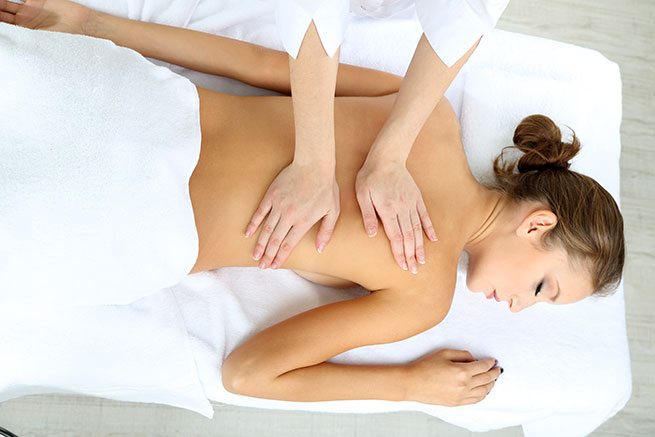
Stress has become an unwanted companion for many people in the rush of daily life. The strain of relationships, jobs, and other obligations can harm our physical and emotional health. Among the many methods for managing stress, massage therapy 출장안마 is an age-old practice that sticks out for its all-encompassing approach to relaxing. This post will examine the complex massage process and its significant effect on stress relief.
Gaining Knowledge about the Physiology of Stress
The physiological stress factors must be understood before delving into the massage method. The sympathetic nervous system goes into overdrive when the body senses danger or an uncomfortable circumstance, triggering the well-known “fight or flight” reaction. This causes blood pressure to rise, the heart rate to quicken, and stress chemicals like cortisol to be released.
Chronic stress can disastrously affect our health, even though this reaction is necessary for survival in emergencies. Long-term exposure to stress hormones has been linked to several health problems, such as depression, anxiety, heart disease, and compromised immune systems.
Massage’s Restorative Power
For millennia, people have used massage treatment as a natural way to relieve tension. Massage interacts with the body’s complex systems to produce balance and relaxation, even beyond its reputation as an opulent and luxurious treatment. Let’s examine the main processes by which massage reduces stress:
1.Release of Tension in the Muscles
One of the most noticeable and instantaneous results of massage is the release of tension in the muscles. Stress frequently shows up physically as tense, knotted muscles. Professional massage therapists knead and twist muscles to induce relaxation using techniques, including deep tissue and Swedish massage. In addition to offering instant comfort, this breaks the pattern of stress-induced muscular tension.
2.Parasympathetic Nervous System Activation
The parasympathetic nervous system, sometimes known as the “rest and digest” system, is stimulated by massage. The parasympathetic nervous system encourages serenity and relaxation, unlike the sympathetic nervous system, which triggers the stress reaction. The body receives signals from massage to improve digestion, lower blood pressure, and slow down the pulse rate—all of which contribute to a general feeling of calm.
3.Endorphin Release
The body releases endorphins, naturally occurring feel-good hormones when someone massages them. Endorphins promote happiness and well-being by acting as organic analgesics and mood enhancers. This neurochemical reaction supports an optimistic outlook in addition to offsetting the detrimental effects of stress hormones.
4.Better Sleep Quality
Prolonged stress frequently throws off sleep cycles, which can cause insomnia or restless nights. Massage has been demonstrated to improve sleep quality by encouraging calm and lowering anxiety. Beyond the massage, massage has a relaxing impact that improves sleep hygiene..
5.Decreased Cortisol Levels
People under prolonged stress frequently have higher cortisol levels, the primary stress 신림출장마사지 hormone. Reduced cortisol levels, which indicate a transition from an elevated stress state to a more balanced and relaxed physiological state, have been associated with regular massage.
In summary
Massage becomes an effective ally in the complex dance between the body and the mind regarding stress relief. Its comprehensive approach distinguishes it as a complete and successful therapy technique by addressing the emotional and physical components of stress. A haven for rest, renewal, and general well-being, massage therapy’s soothing touch is an effective way to manage stress and relieve daily tensions. Incorporating massage into our self-care regimen could be a tried-and-true method of maintaining equilibrium while dealing with the intricacies of contemporary life.
